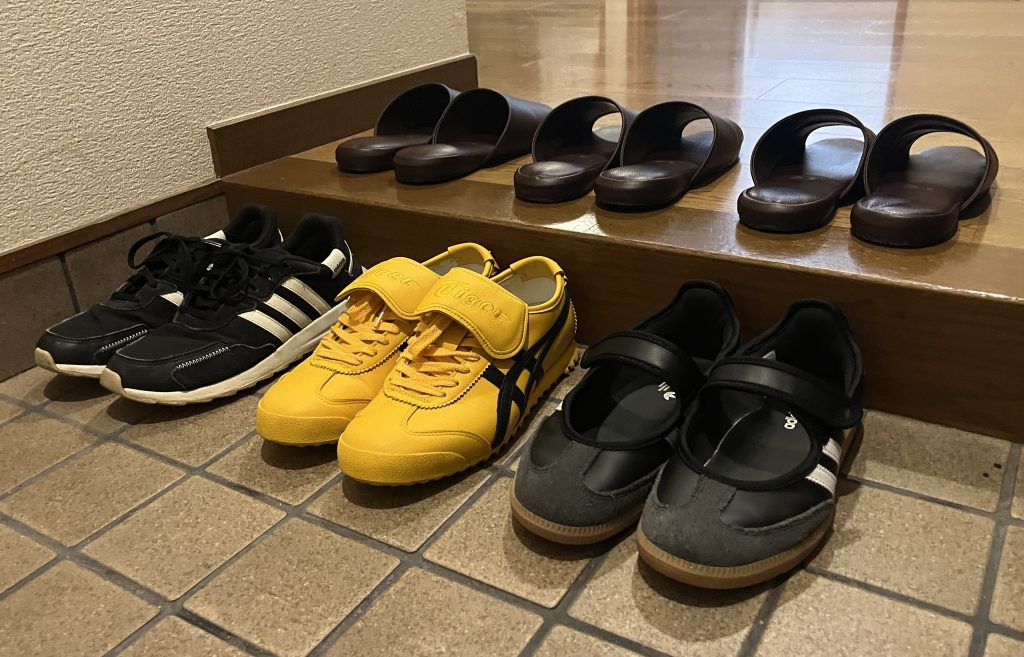
Shoes and slippers at modern Genkan in Airbnb in Osaka, Japan. (Photo by Makayla Mahoney)
Text and photo by Makayla Mahoney
The early morning streets of Kyoto bustle with people traveling to school or work. Bikes fly by, pedestrians hustle and cars squeeze through the narrow streets that create a grid through the city. As you walk, you can’t help but observe the quiet of these mornings as people prepare for the day.
Thousands travel the streets every day, and yet they are almost spotless. One small example of the overarching effort made by residents across the country of Japan to keep their environment pristine is shop owners sweeping the sidewalks. This sight, although a little part of a daily routine, surprised me.
I come from Massachusetts, where beautiful cities such as Boston are littered with trash, dirt and weeds. The thought of cleaning the streets where thousands walk daily seems too much effort to be worth the trouble.
In Kyoto and throughout Japan, however, people seem willing to take this trouble in caring for their space. The streets are spotless. Public transportation, too. Many traditional homes, institutions and commercial buildings include a genkan, an entryway where it is customary to remove one’s shoes and change into slippers before moving inside to prevent tracking in dirt. Japan is often praised for its extraordinary cleanliness, thanks to the collective efforts of ordinary people.
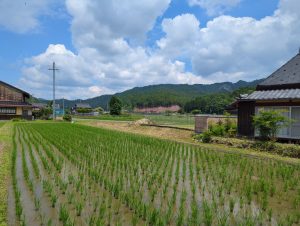
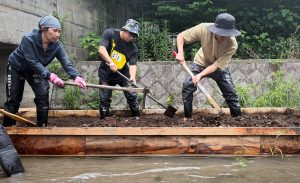
In rural areas, these gestures of care for the community’s space and daily environment are most clear. Satoyama is a Japanese concept that promotes harmony between nature and humans. Residents of rural towns that closely border nature practice satoyama through weed-whacking mountain paths, cutting the branches off the trees to make good lumber, maintaining rice farms, and utilizing natural resources to build housing. Many of these projects have no monetary gain but are done for the sake of the community as a whole.
These acts of maintenance also serve to strengthen trust between residents, reinforcing that each person shares the same value of sustainable harmony with their shared environment. On a trip to the rural town of Keihoku, I was struck to learn about a unique economic practice.
Keihoku is one of many rural towns within Japan facing concerns about a declining population. To fill the homes left empty in these areas, locals have offered property for exceptionally low prices if they trust that the next owner will take care of the house. The price for homeownership falls into the effort one puts in to maintain the home and property, according to satoyama. Here, financial gain is no competition with the care for one’s environment, which ultimately impacts the whole community.
I have observed many small but meaningful gestures that collectively impact the harmony between the people and environment of Japan. Under a shared value for clean and sustainable space, each person has an incentive to maintain a pristine environment for everyone else.
Returning home, I know I will yet again be exposed to littered streets and the psyche of an individualist nation. I will go back, however, with a greater lesson in remembering to observe the space around me, thinking of what ways I can bring about harmony between myself, my community and the environment we share through everyday actions and care.